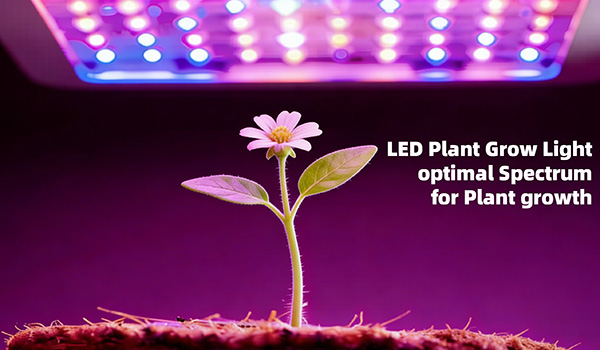
Cultivating the Future: Precision LED Lighting for Advanced Plant Science
Modern agriculture and horticultural research are undergoing a revolution, powered by the precision and flexibility of LED lighting. Recognizing that plants aren’t one-size-fits-all, innovators are harnessing the power of specific wavelengths to optimize growth, yield, and nutritional value.
Here's how LEDs are being utilized in professional plant cultivation:
1. Vertical Farming & Indoor Agriculture: LEDs are the backbone of vertical farms and indoor growing facilities, providing the precise light spectrum needed for optimal plant development in a controlled environment. This allows for year-round crop production, regardless of external weather conditions.
2. Greenhouse Optimization: Supplementing natural sunlight with strategically placed LEDs allows growers to extend growing seasons, improve crop quality, and increase yields in greenhouses.
3. Horticultural Research & Development: Researchers are utilizing LEDs with customizable wavelengths to study the effects of light on plant growth, flowering, and secondary metabolite production. This is leading to breakthroughs in crop optimization and breeding programs.
4. Tailored Light Recipes for Specific Crops: Different plants have different light requirements. LEDs allow growers to create “light recipes” – specific combinations of wavelengths and intensities – tailored to the unique needs of each crop, maximizing growth potential.
5. Customizable Wavelength Solutions for Advanced Control: Manufacturers are responding to the growing demand for precision by offering LEDs with a wide range of wavelengths and the ability to customize light spectra. This empowers growers and researchers to fine-tune lighting conditions for optimal results.
LED technology is moving beyond simple illumination, enabling a new era of controlled-environment agriculture and plant science. It’s not just about helping plants grow; it’s about unlocking their full potential and building a more sustainable future for food production.